
No insurance requirements, transparent pricing and integrated neurotherapies are making TMS more accessible near the El Paso–Juárez border
CIUDAD JUÁREZ, CHIHUAHUA — For people exploring new options for depression care, learning about transcranial magnetic stimulation may be the easy part. Obtaining treatment through a U.S. insurance company can be considerably more difficult.
Patients may be required to try several medications first, complete psychotherapy, provide years of medical records or prove that their depression meets an insurer’s definition of “treatment-resistant.” Others face age restrictions, prior-authorization delays, high deductibles or policies that cover TMS for only a narrow range of diagnoses.
These barriers are leading some patients in El Paso and surrounding communities to consider a different option: receiving TMS in Ciudad Juárez.
At NeuroSpa Clinic, insurance is not required. TMS is offered for $100 USD per session, with an initial brain map, symptom profile, personalized treatment plan and integrated neurotherapies included in the treatment program.
For patients who have been delayed or discouraged by the traditional insurance process, this creates a more direct and predictable path to exploring TMS.
What is TMS?
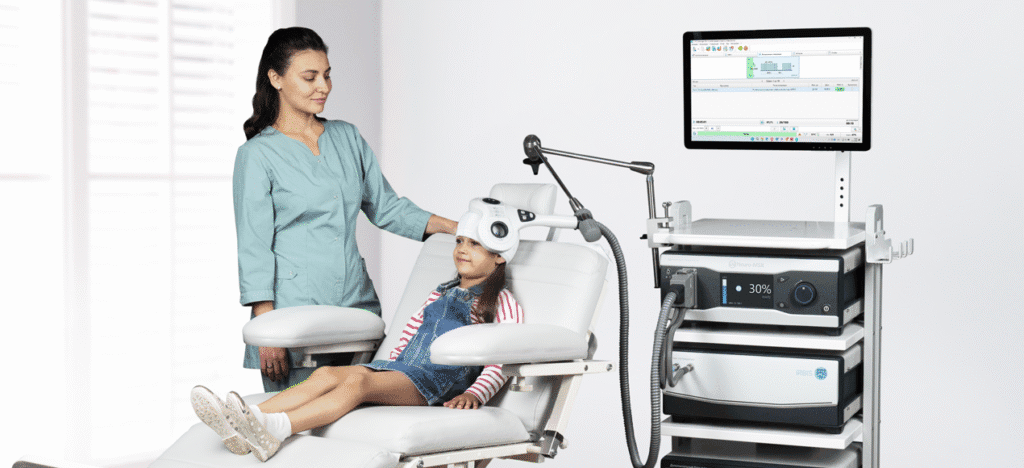
Transcranial magnetic stimulation—known as TMS in English and EMT in Spanish—is a noninvasive therapy that uses controlled magnetic pulses to influence activity in selected areas of the brain.
During treatment, a magnetic coil is positioned against the patient’s scalp. The patient remains awake and seated in a treatment chair while the device delivers a series of pulses.
Standard outpatient TMS does not require surgery or anesthesia. Most patients can return to their regular activities following a session.
TMS is most widely established for major depressive disorder, particularly when conventional treatments have not provided sufficient relief. Specific TMS devices and protocols have also received authorization for conditions such as obsessive-compulsive disorder.
Researchers continue to examine TMS for anxiety, migraine, attention difficulties, trauma-related symptoms and cognitive concerns. The evidence, regulatory status and insurance coverage are not the same for every condition, making an individualized evaluation essential.
Having insurance does not guarantee access to TMS
Health insurance is expensive, but paying for coverage does not automatically make TMS accessible.
According to the 2025 KFF Employer Health Benefits Survey, the average annual premium for employer-sponsored health insurance reached $9,325 for individual coverage and $26,993 for family coverage. Workers contributed an average of $6,850 toward family coverage.
Among covered workers whose plans had a general annual deductible, the average individual deductible was $1,886.[1]
These figures are not the price of TMS. They demonstrate how much patients and employers may already be spending before a specific treatment is approved.
Even when an insurance plan covers TMS, a patient may remain responsible for:
- An unmet annual deductible
- Copayments for repeated appointments
- Coinsurance on every session
- Out-of-network charges
- Evaluation or psychiatric consultation fees
- Services not included in the authorization
- Maintenance or booster sessions excluded by the plan
A course of TMS generally requires repeated visits. Therefore, even a relatively modest copayment or coinsurance percentage can become expensive when applied across numerous sessions.
Why insurance authorization can be difficult
Insurance coverage is based on the insurer’s definition of medical necessity—not simply on whether a clinician believes a patient may benefit.
The rules differ among companies and individual health plans. Depending on the policy, a patient may need to meet several requirements before TMS is authorized.
A qualifying diagnosis
Most routine U.S. insurance coverage for TMS is focused on moderate-to-severe or severe major depressive disorder.
Some plans also provide conditional coverage for obsessive-compulsive disorder. Others continue to exclude it despite FDA authorization of specific TMS systems for OCD.[5]
This means it is not accurate to say that every insurer covers TMS for both depression and OCD. Patients must review the policy that applies to their particular plan.
Treatment-resistant depression
Many insurers require a patient to have treatment-resistant depression, commonly abbreviated as TRD.
In general, this means the patient has not improved sufficiently following one or more conventional treatments. However, there is no single definition used by every insurance company.
Requirements may include:
- Failure of one antidepressant medication
- Failure of two or more medications
- Trials from different medication classes
- An adequate dose and treatment duration
- Documented medication intolerance
- A previous course of evidence-based psychotherapy
- Standardized depression scores
- Documentation from a psychiatrist
- A diagnosis without psychotic features
For example, Evernorth/Cigna’s published policy requires qualifying adults with depression to have failed at least two antidepressants from different classes. It also requires an adequate psychotherapy trial and standardized symptom monitoring.[3]
Some Medicare coverage policies use different medication-failure requirements.[4] Aetna has its own criteria, treatment limits and exclusions.[2]
Changing insurance plans can therefore change whether a patient qualifies—even when the diagnosis and symptoms remain the same.
Age restrictions
Age requirements also vary.
Some insurance policies are restricted to adults. Others now include certain adolescents, often beginning at age 15, when additional requirements are met.
The appropriate age depends on the diagnosis, device, protocol, clinical circumstances and insurance policy. Adolescent treatment should never be presented as automatically covered or appropriate without evaluation.
Prior authorization
Most insured patients need prior authorization before the first TMS session.
The provider may be required to submit:
- Diagnostic records
- Medication names and dosages
- Dates and durations of medication trials
- Reasons medications were discontinued
- Psychotherapy history
- Standardized symptom scores
- Medical and neurological history
- A proposed treatment plan
- Information about the device and protocol
- Documentation that the provider is in network
Missing records can cause delays or denials. Even when a patient appears to meet the requirements, approval may take additional phone calls, reviews or appeals.
Limits on treatment
Insurance approval usually covers a defined course rather than unlimited treatment.
Some plans authorize approximately 30 acute sessions plus a short taper period. Maintenance treatment, booster sessions, remapping or treatment beyond the authorized course may be excluded or require another review.
Repeat treatment may only be approved if the patient previously achieved a documented level of improvement and maintained it for a specified period.
TMS without insurance requirements
What does self-pay TMS currently cost in the United States?
For patients who do not qualify for insurance coverage—or who want treatment for a condition their plan excludes—the alternative is usually self-pay TMS.
There is no single national cash price. Rates vary according to location, device, protocol, provider, included evaluations and whether the clinic offers a prepaid package or income-based discount.
Published U.S. prices from 2025 and 2026 illustrate the range:
- Bright Horizons Psychiatry in Maryland lists standard or Deep TMS at approximately $6,000 to $12,000 for a complete self-pay course. Its published estimate is approximately $300 to $500 per session.[11]
- Strive TMS Center in Greater Cleveland lists a 30-session self-pay course at $9,200—$400 for the initial mapping, $400 for remapping and $300 for each of the remaining sessions.[12]
- The Lindner Center of HOPE in Ohio lists $13,000 for 36 TMS sessions when treatment is not covered by insurance.[13]
- Southern Illinois Associates lists standard pay-as-you-go TMS at $250 per session, with prepaid 30- to 36-session packages averaging approximately $175 per session.[14]
- Houston Mind & Brain lists a 36-session income-based program ranging from $1,540 to $7,300. Eligibility for the lower rates requires income or insurance verification. Its accelerated 38-session program is listed at $9,800.[15]
These examples should not be treated as a formal national average. They show that published standard self-pay prices commonly reach several thousand dollars for a complete course. Accelerated, specialized or imaging-guided protocols may cost considerably more.
Some U.S. clinics offer sliding scales, grants or prepaid discounts. However, patients may need to provide financial documents, meet eligibility rules or pay for evaluations and complementary services separately.
Comparing published U.S. prices with NeuroSpa
NeuroSpa Clinic currently charges $100 USD per TMS session.
At that rate:
- 20 sessions cost $2,000
- 36 sessions cost $3,600
NeuroSpa’s treatment program also includes an initial brain map, structured symptom profile and personalized treatment planning. Clinically appropriate psychotherapy and neurotherapies (Neurofeedback, EEG Meditation, EEG Mindfulness, fNIRS Brain Training, Cognitive Rehabilitation, or VR exposure therapy) are integrated into the treatment process.
This distinction matters. When comparing prices, patients should ask whether a quote includes only magnetic stimulation or also includes:
- The initial consultation
- Motor-threshold mapping
- Brain mapping
- Symptom assessments
- Treatment planning
- Progress monitoring
- Psychotherapy or additional therapies
- Remapping
- Taper or maintenance sessions
A low advertised session price may not represent the total treatment cost. Likewise, an expensive package may include services not included by another provider. Patients should request a written estimate describing the complete recommended course and everything included before choosing a clinic.
For people in the El Paso–Juárez region, NeuroSpa’s $100-per-session rate offers a predictable self-pay alternative without insurance authorization, income verification or a high-deductible requirement.
Treatment starts with a brain map and symptom profile
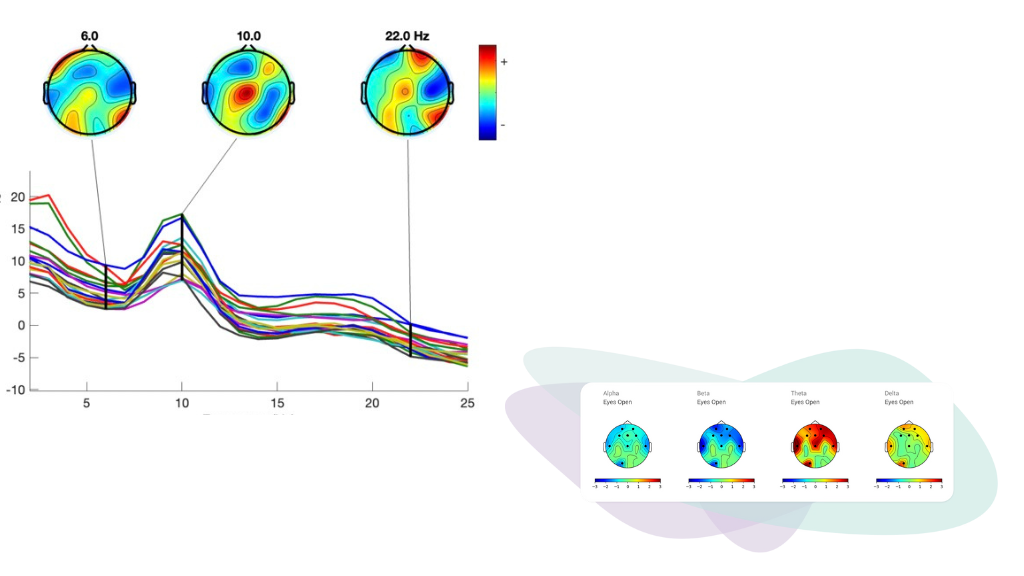
NeuroSpa’s approach begins with understanding the patient rather than automatically applying the same protocol to everyone.
At the beginning of treatment, the patient receives an initial brain map and structured symptom profile. This information is reviewed alongside the clinical interview, health history, previous treatments and personal goals.
The assessment is intended to help answer questions such as:
- Which symptoms are causing the most difficulty?
- How do they affect work, school, relationships or everyday functioning?
- Are depression, anxiety, attention or cognitive concerns interacting?
- What treatments have already been attempted?
- Which symptoms and brain networks should guide the plan?
- How will progress be measured?
The brain map does not replace a diagnosis or clinical evaluation. It serves as one source of information within the broader treatment-planning process.
Together, the initial brain map and symptom profile provide a baseline. The team can then compare the patient’s progress with where treatment began instead of relying only on general impressions.
NeuroSpa integrates therapy with TMS
NeuroSpa does not treat TMS as a passive, stand-alone procedure.
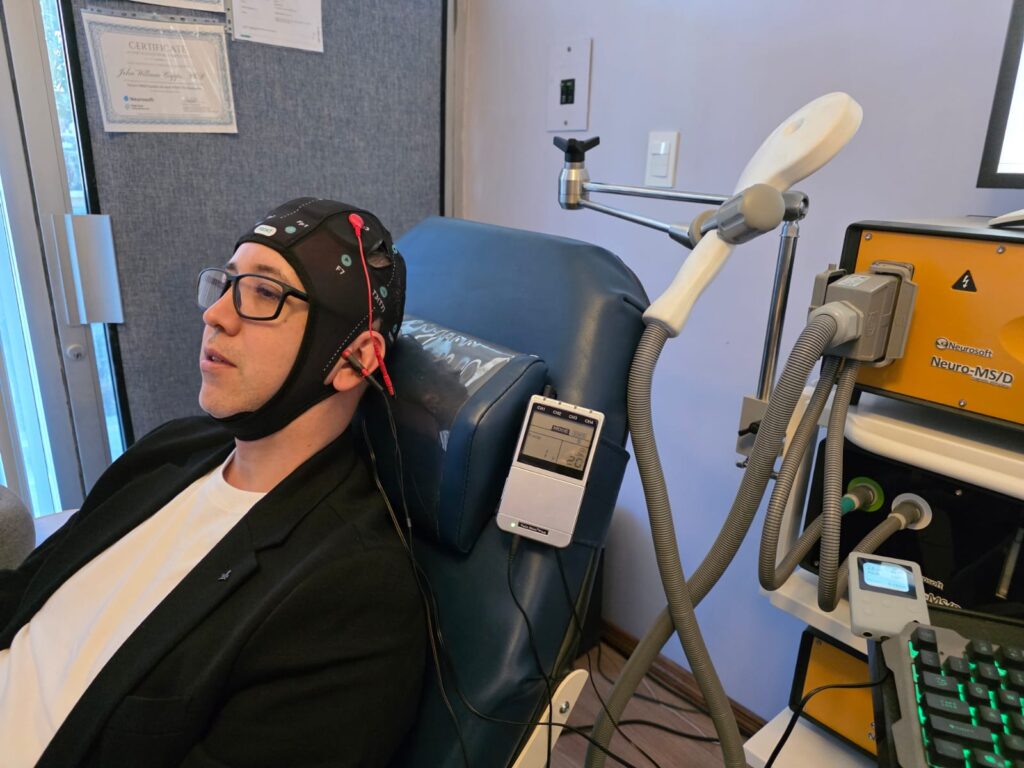
At some clinics, patients receive stimulation while sitting quietly and leave when the session ends. NeuroSpa’s model integrates psychotherapy and neurotherapies into the treatment process when clinically appropriate.
These may include:
- Psychotherapy-based activities
- Cognitive training
- Attention and executive-function exercises
- Neurofeedback
- Mindfulness practices
- Emotional-regulation training
- Other targeted therapeutic activities
The particular combination depends on the patient’s symptoms, treatment goals and clinical plan.
The rationale is that TMS can influence a targeted brain network while therapy gives the patient an opportunity to actively engage and train relevant emotional, behavioral or cognitive skills.
For a patient receiving treatment for depression, this might involve activities related to emotional processing, cognitive flexibility or motivation. A patient with attention concerns may complete structured exercises that engage focus and executive-function skills.
The objective is not simply to deliver magnetic pulses. It is to connect stimulation with a meaningful therapeutic experience.
What integrated treatment is designed to accomplish
NeuroSpa’s integrated model is designed to:
- Support an earlier clinical response
- Improve the likelihood of meaningful improvement
- Help patients get greater value from each session
- Reduce unnecessary treatment once goals are reached
- Reinforce healthier emotional and cognitive patterns
- Help patients apply treatment gains in everyday life
- Support improvement beyond the initial treatment period
These are treatment goals—not guaranteed outcomes.
Research into combining rTMS with psychological and other nonpharmacological interventions is promising. Reviews have found preliminary support for pairing stimulation with psychotherapy, cognitive training and related approaches.[7][8]
However, current studies have not established that integrated treatment will always reduce the number of sessions, produce a faster response or make benefits last longer than TMS alone.
Every patient responds differently. Some may notice changes earlier, while others may require a traditional course. The treatment plan should be adjusted according to measured progress rather than a predetermined promise.
Why Ciudad Juárez may make sense for patients near El Paso
TMS normally requires repeated appointments, making location an important part of treatment planning.
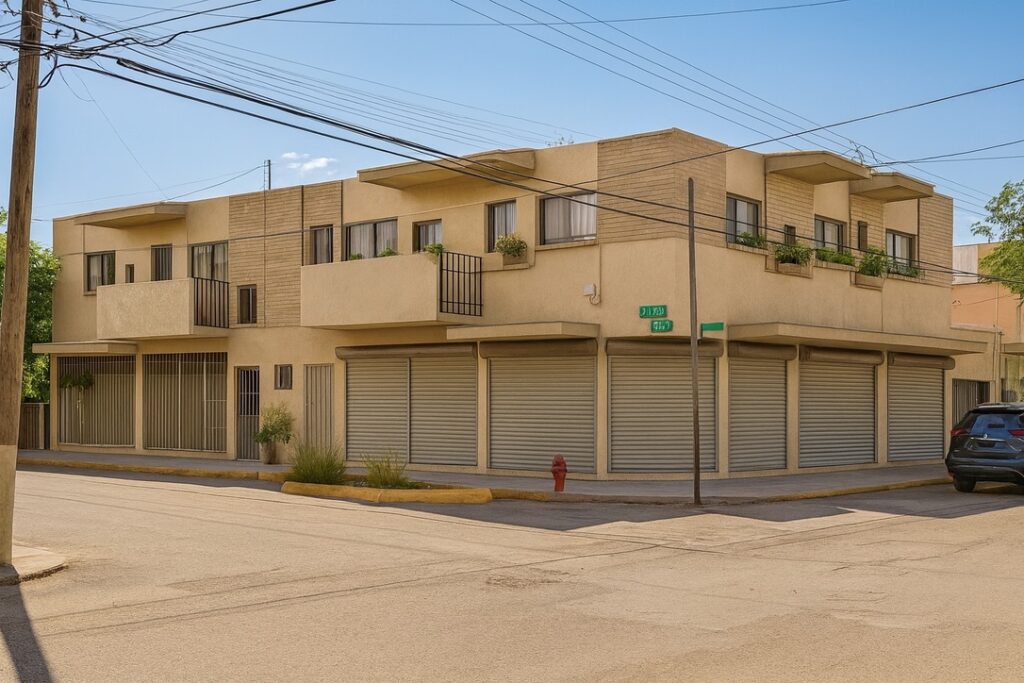
For patients in El Paso and surrounding border communities, NeuroSpa’s Ciudad Juárez location may be closer than traveling to a treatment center elsewhere in Texas or New Mexico.
Patients may consider NeuroSpa because they are looking for:
- No insurance-authorization requirements
- A transparent $100-per-session rate
- An initial brain map and symptom profile
- Personalized treatment planning
- Integrated psychotherapy and neurotherapies
- Bilingual or culturally familiar care
- A location near the El Paso–Juárez border
- Ongoing progress monitoring
- A professional clinical environment
Cross-border treatment still requires practical planning. Patients should consider transportation, border crossing times and the number of appointments expected each week. However, the location of NeuroSpa Clinic is very close to the border, less than 3 minutes. Therefore many patients, will walk across Puente Libre, and take a 2-4 dollar uber to the clinic. This reduces crossing time and wait times returning the the United States.
What patients can expect at NeuroSpa
1. Initial Appointment
The first step is determining whether TMS may be appropriate.
The clinic reviews the patient’s symptoms, treatment history, medications, health information and goals. This is also the time to identify potential safety concerns.
2. Brain map and symptom profile
An initial brain map and structured symptom profile help establish a baseline and guide treatment planning. Many psychiatric practices will charge for this type of testing, and when insurance doesn’t pay or people do not have the budget to self pay, then this information may not be included in treatment planning.
These assessments are included at the beginning of the treatment program.
3. Personalized treatment plan
The experienced team of PhD level psychologist develops an individualized plan identifying the symptoms being addressed, the proposed TMS target, therapeutic goals and integrated activities.
Patients should receive a clear explanation of whether the proposed application is established or off-label.
4. TMS with integrated neurotherapies
The patient remains awake while TMS is delivered through a coil positioned against the scalp.
Clinically appropriate therapeutic activities may be integrated into the treatment period according to the patient’s plan.
5. Progress monitoring
Symptoms are monitored throughout treatment. This helps the team determine whether the plan should continue, be modified or conclude when appropriate goals have been reached.
Important safety considerations
TMS is noninvasive, but that does not mean screening is optional.
Patients should inform the clinic about:
- Implanted metal in or near the head
- Cochlear implants
- Implanted brain or nerve stimulators
- Aneurysm clips or coils
- A history of seizures
- Neurological conditions
- Recent significant head injuries
- Current medications
Common short-term effects can include headache, scalp discomfort, facial-muscle twitching or discomfort during stimulation.[5][6]
TMS is not appropriate for every person, diagnosis or health situation.
Frequently asked questions
Is insurance required?
No. NeuroSpa’s TMS program is offered on a private-pay basis. Insurance authorization is not required to request an evaluation or begin a clinically appropriate treatment plan.
Must patients fail medications first?
Insurance companies frequently impose medication-failure requirements.
NeuroSpa’s private-pay evaluation is not controlled by those rules. However, medication and treatment history remain clinically important and will be reviewed during the evaluation.
Patients should never stop a prescribed medication without consulting the prescribing professional.
What does a session cost?
TMS at NeuroSpa currently costs $100 USD per session.
The initial brain map and symptom profile used for treatment planning are included, along with the clinically appropriate neurotherapies integrated into the program.
Are integrated neurotherapies included?
Yes. Neurotherapies selected as part of the individual plan are integrated into the treatment process.
Not every therapy is appropriate for every patient, so the specific activities will vary.
Will integrated treatment reduce the number of sessions?
It may help the team personalize treatment, monitor progress and avoid unnecessary sessions once appropriate goals are reached. It cannot guarantee that every patient will need fewer sessions.
The recommended course depends on symptoms, diagnosis, protocol and individual response.
Is TMS only used for depression?
Depression is the most established and commonly covered use. Specific devices have also been authorized for conditions such as OCD and migraine.
Other applications may be emerging or off-label and should be discussed carefully during the evaluation.
A more accessible path to exploring TMS
For many patients, the greatest obstacle to TMS is not a lack of interest. It is a lack of access.
High insurance premiums do not eliminate deductibles. Coverage does not eliminate prior authorization. FDA authorization does not guarantee that a particular insurer will pay for treatment.
NeuroSpa Clinic offers another option: TMS in Ciudad Juárez for $100 per session, without insurance requirements and with an initial brain map, symptom profile, personalized planning and integrated neurotherapies.
For patients in the El Paso–Juárez region, that combination may make TMS closer, more predictable and more accessible than they realized.
Discover whether TMS may be appropriate for you
If insurance barriers, medication requirements or high self-pay estimates have prevented you from exploring TMS, begin with an individualized evaluation at NeuroSpa Clinic.
Schedule your Initial Appointment for TMS in Ciudad Juárez today.
Adults: https://koalendar.com/e/valoracion-clinica-inicial
Kids (5+) and Adolescents: https://koalendar.com/e/valoracion-clinica-inicial-NA
Citations and direct links
- KFF — 2025 Employer Health Benefits Survey
- Aetna — Transcranial Magnetic Stimulation Clinical Policy Bulletin
- Evernorth/Cigna — Transcranial Magnetic Stimulation Coverage Policy
- CMS — TMS in the Treatment of Adults With Major Depressive Disorder
- U.S. FDA — Marketing Authorization of TMS for Obsessive-Compulsive Disorder
- U.S. FDA — Special Controls Guidance for Repetitive TMS Systems
- Giron et al., 2025 — rTMS Combined With Psychological and Nonpharmacological Methods
- Xu et al., 2023 — rTMS Combined With Psychological Interventions
- NeuroSpa Clinic — Transcranial Magnetic Stimulation in Ciudad Juárez
- NeuroSpa Clinic — About the Clinic and Integrated Approach
- Bright Horizons Psychiatry — 2026 TMS Price Breakdown
- Strive TMS Center — Self-Pay TMS Pricing
- Lindner Center of HOPE — 2025 Self-Pay TMS Pricing
- Southern Illinois Associates — 2026 Self-Pay TMS Rates
- Houston Mind & Brain — TMS Pricing Guide